Contents:
- Hook Intro
- Context and Background
- Dun & Bradstreet: The PAYDEX Score
- Experian Business Credit Score
- Equifax Business Credit Report
- Comparison With a Commonly Confused Alternative
- Main Sections: Building Business Credit From Scratch
- What the Pros Know
- Practical Tips
- Real Examples
- FAQ
- How long does it take to build business credit?
- Does my personal credit affect my business credit score?
- Is it free to check my business credit score?
- Conclusion
A small manufacturing company applies for a $75,000 equipment loan, expecting approval based on its owner’s excellent personal credit, only to get rejected because the business itself has no credit file at all. That surprising gap trips up thousands of otherwise healthy companies every year.
Hook Intro
Many first-time business owners assume personal and business credit are the same thing, discovering only when a lender pulls a blank file that separate business credit scores exist and matter enormously for financing.
Context and Background
Unlike personal credit, which relies on one standardized FICO scoring model most consumers recognize, business credit is tracked by three major bureaus using different scales and methodologies, creating genuine confusion for new owners trying to build credit strategically.
Dun & Bradstreet: The PAYDEX Score
Dun & Bradstreet assigns businesses a PAYDEX score from 1 to 100, based entirely on payment history with vendors and suppliers who report to them. A score of 80 or above indicates payments made on time, while anything below 50 signals significant payment delays that concern lenders.
Getting a D-U-N-S number, which is free and typically issued within 30 days, is the essential first step to establishing a D&B file at all.
Experian Business Credit Score
Experian uses a 1 to 100 scale similar to D&B but weighs a broader mix of factors including credit utilization, business age, and public records like liens or judgments. Scores above 76 are generally considered low risk by lenders reviewing this report.
Equifax Business Credit Report
Equifax offers multiple scores, including a payment index and a business credit risk score ranging from 101 to 992, incorporating trade payment data alongside firmographic details like industry classification and company size.
Comparison With a Commonly Confused Alternative
Business credit scores differ fundamentally from personal credit scores in that they’re often publicly accessible for a fee, meaning potential partners, suppliers, and landlords can review your business’s creditworthiness without your direct authorization, unlike personal credit reports.
Main Sections: Building Business Credit From Scratch
Start by incorporating as an LLC or corporation, obtaining an EIN, and opening a dedicated business bank account, since sole proprietorships without formal separation struggle to establish independent credit files.
Apply for net-30 vendor accounts with suppliers like Uline or Quill, which report payment history to the bureaus and build initial trade lines relatively quickly, often within three to six months.
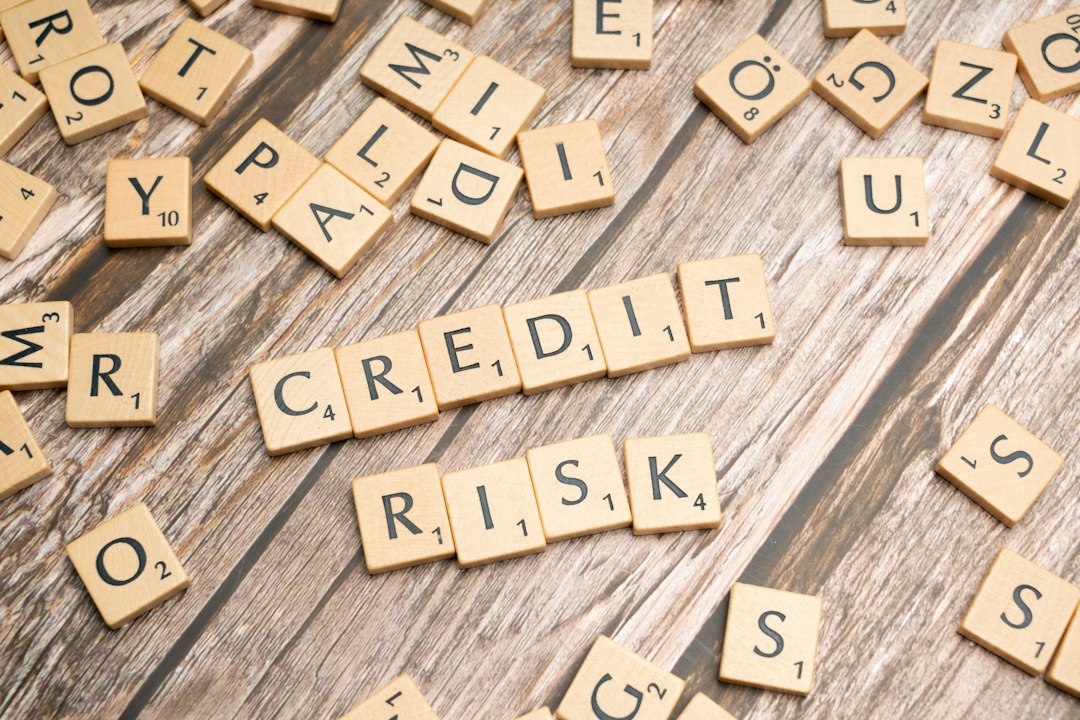
Secure a business credit card used exclusively for business expenses, paid in full monthly, since utilization and payment timeliness directly influence all three bureau scores.
What the Pros Know
Credit consultants recommend checking all three bureau reports annually, since errors are common and each bureau may show different information depending on which vendors and lenders report to them.
Practical Tips
- Pay vendor invoices early, not just on time
- Keep business and personal expenses separate from day one
- Monitor all three bureau reports at least twice yearly
Real Examples
A catering business in Denver built a PAYDEX score of 80 within eight months by consistently paying three net-30 vendor accounts early, which subsequently helped secure a $40,000 business line of credit at a favorable rate.
FAQ
How long does it take to build business credit?
Most businesses establish a usable credit profile within six to twelve months of consistent, reported payment activity.
Does my personal credit affect my business credit score?
Initially yes, since lenders often check personal credit for new businesses without established files, but the two scores become increasingly independent over time.
Is it free to check my business credit score?
D&B offers limited free access, while full detailed reports from all three bureaus typically require a paid subscription ranging from $30 to $200 depending on the provider.
Conclusion
Treating business credit as a distinct, strategic asset from day one, rather than an afterthought, positions companies to access better financing terms precisely when growth opportunities require quick capital access.